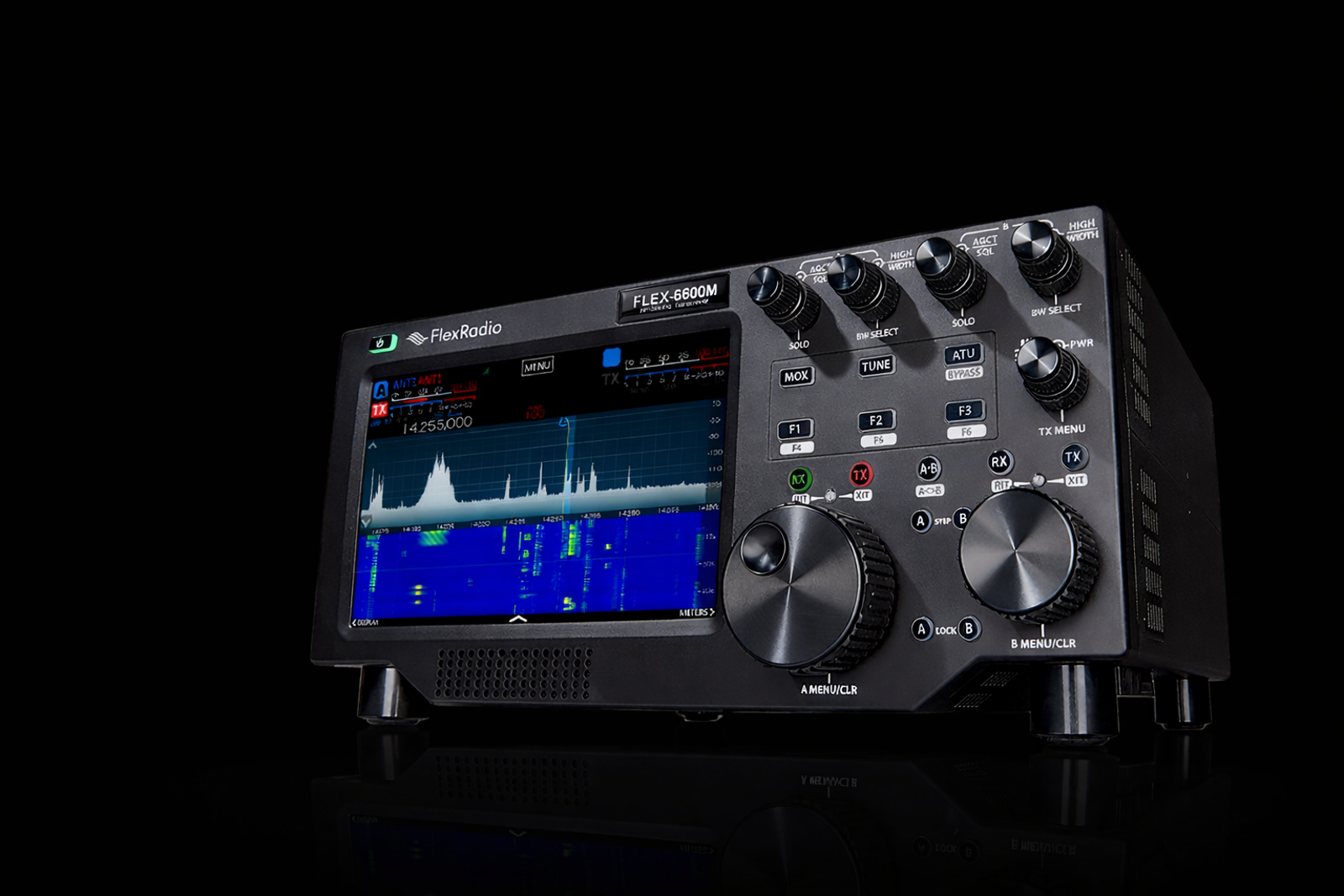
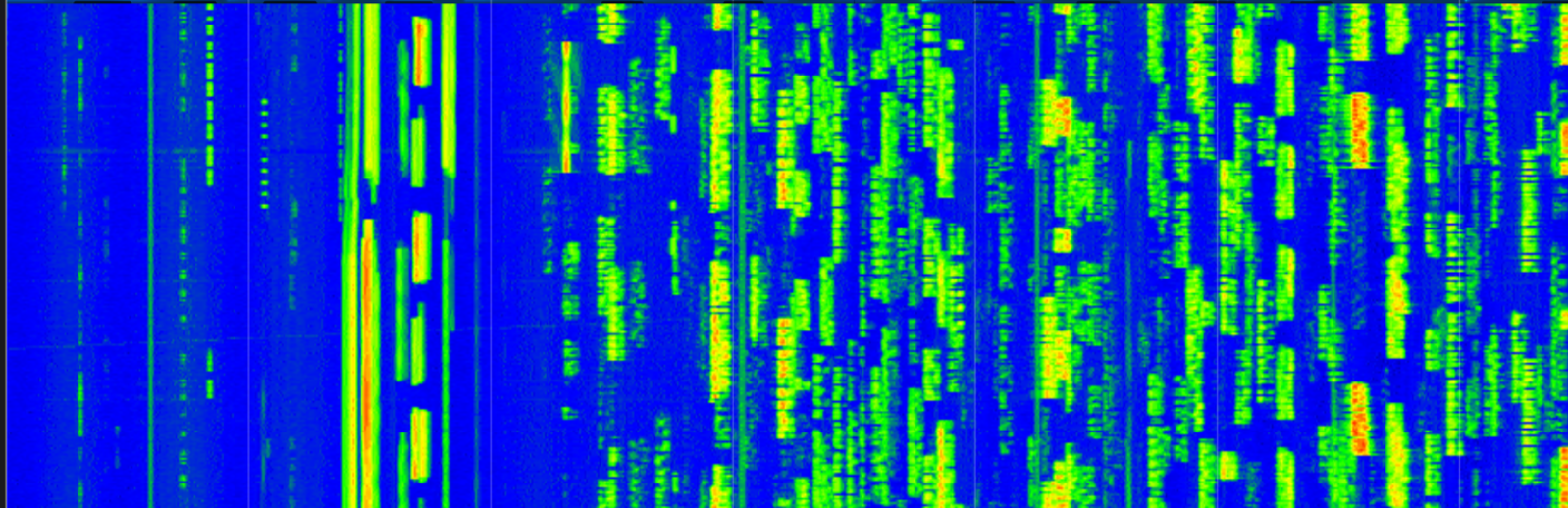
You do not need to buy a radio, install an antenna, or clear space on your desk to listen to shortwave online. In fact, one of the easiest ways to explore shortwave radio today is to use an internet-connected receiver or remote listening platform from your laptop, tablet, or phone. If your goal is to listen to shortwave online, the barrier to entry is now dramatically lower than it used to be.
That is good news for beginners, former listeners returning to the hobby, travelers, students, and anyone who is simply curious about what can still be heard on the HF bands. Shortwave remains one of the most interesting parts of the radio world because it combines news, culture, utility signals, amateur radio activity, interval signals, and the unpredictability of propagation. Online access lets you sample all of that without spending money first.
Why People Want to Listen to Shortwave Online
Traditional shortwave listening is still rewarding, but it comes with practical obstacles. You need a receiver, at least some kind of antenna, and a location that is not overwhelmed by electrical noise. In many homes, especially apartments and urban environments, that last part is the hardest. Cheap power supplies, LED lighting, networking gear, TVs, and countless other devices can raise the noise floor enough to make listening frustrating.
That is why more people now choose to listen to shortwave online before buying equipment. Online receivers can be located in quieter RF environments with better antennas than you could easily install at home. As a result, a beginner often hears more during the first hour online than they would hear from a small indoor radio in a noisy city apartment.
Online listening is also fast. You can open a browser or app and begin exploring immediately. That makes shortwave far more approachable than it was in the past.
What You Can Hear When You Listen to Shortwave Online
A lot of people assume shortwave means only international broadcasters. Those still exist, but the listening landscape is broader than that.
When you listen to shortwave online, you may hear:
international broadcast stations
religious broadcasters
utility and maritime signals
numbers stations and mystery signals
amateur radio SSB and CW activity
digital signals
time stations
regional broadcasters
pirate radio, depending on band and time
The mix changes constantly based on time of day, solar conditions, band choice, and receiver location. That variety is exactly what keeps shortwave compelling.
Best Ways to Listen to Shortwave Online
There are three common ways to get started.
1. Browser-Based SDR Receivers
These are the fastest route. You open a website, choose a receiver, and tune around. This is perfect for casual listening and first-time exploration.
2. Remote Receiver Networks
Some services offer a more structured listening environment, often with account access, cleaner station presentation, or broader platform features.
3. Remote Ham Radio and SWL Platforms
These can be useful when you want something more than a random public receiver. A platform designed around both radio amateurs and SWLs can offer a clearer path to regular listening, especially if you want a more consistent experience.
How to Listen to Shortwave Online Effectively
Listening online is easy, but listening well takes a little technique.
Choose the right time of day
Lower shortwave bands often come alive differently than higher bands depending on day and night conditions. If you do not hear much on one band, move rather than assuming there is no activity.
Try more than one receiver location
A station in Northern Europe may hear something very different from one in North America. Receiver geography is part of the fun.
Learn the major broadcast and amateur bands
Even a basic understanding of which parts of HF are commonly used for broadcasting, amateur SSB, or CW will help you find signals faster.
Use narrow filters when needed
If the receiver offers filter controls, use them. Narrowing bandwidth can improve readability, especially for crowded or weak signals.
Keep notes
Shortwave becomes much more interesting when you log what you hear. Frequencies, times, language, signal quality, and receiver location all help you learn faster.
Is Listening Online “Real” Shortwave Listening?
Yes. It is different from owning your own receiver, but it is absolutely a valid way to explore the hobby. In fact, it is often the best first step because it separates interest from equipment cost. You can discover whether you actually enjoy tuning HF before buying hardware.
For experienced listeners, online access is also useful as a complement to a home station. You can compare how a signal sounds in another part of the world, verify whether a weak signal is real, or monitor conditions when you are away from home.
The main limitation is obvious: you are hearing through someone else’s station. You are not testing your own antenna or local noise floor. But for discovery, learning, and general listening enjoyment, online shortwave access is excellent.
Who Should Listen to Shortwave Online?
This approach is ideal for:
complete beginners who want to explore before buying gear
people in apartments or HOA-restricted housing
travelers who want access from anywhere
former SWLs returning after many years away
educators and students
radio amateurs who want extra listening options
anyone curious about global radio signals
It is also a smart choice if you are unsure whether you want a dedicated shortwave receiver, an SDR, or eventual access to a broader remote radio platform.
Common Mistakes Beginners Make
The biggest mistake is assuming that silence means shortwave is dead. Conditions change. Bands open and close. Some frequencies are active only at certain times. Move around.
The second mistake is staying on one receiver too long. If a receiver is noisy or the band sounds empty, switch location.
The third mistake is expecting every signal to be broadcast audio. HF includes many signal types. Part of the hobby is learning what you are hearing.
The fourth mistake is diving too quickly into expensive equipment. It is much smarter to listen to shortwave online first, learn the bands, and then decide what hardware actually fits your interests.
Why a Platform Matters
Public browser SDRs are excellent, but they can feel random. Some disappear. Some are overloaded. Some are hard to use from mobile devices. If you find yourself listening often, a platform with clearer structure becomes more attractive.
That is where a service like HamCloudX can make sense. HamCloudX is positioned around remote ham radio and SWL station access, so it is relevant not only for licensed operators but also for listeners who want a cleaner way to explore HF remotely. For a listener, that means the path from curiosity to regular use can be simpler and more organized than relying entirely on whichever public receiver happens to be online that day.
Start Listening Today
If you want to listen to shortwave online, you can begin right now without buying equipment. Explore the bands, learn what different signals sound like, and build your interest before spending money on hardware. And if you want a more structured way to access remote listening and radio services, check Pricing and create an account through Register. It is the fastest path from “I’m curious about shortwave” to actually hearing what is out there.