Remote Ham Radio vs RemoteHams vs WebSDR — Compared
If you are researching remote ham radio options, you will quickly run into three different models: a true remote ham radio platform, RemoteHams-style station sharing, and WebSDR-style browser receivers. They are often discussed together, but they are not the same thing. A useful comparison starts by separating “operate a real station remotely” from “listen online” and from “share a station through an older ecosystem.”
That distinction matters because different users arrive with very different goals. Some want to transmit and make contacts. Some want to explore the HF bands casually. Some want to compare services before paying for access. Some are station owners deciding where to host and how much control they will retain. If you search for remote ham radio and land on a page that treats all of these as equivalent, you are likely to make the wrong choice.
Remote Ham Radio: What People Usually Mean
When most operators search for remote ham radio, they are looking for remote control of a real amateur radio station over the internet. They want to tune bands, control a receiver, transmit when permitted, and access a real antenna system at a real station site. In other words, they want operating capability, not just a web-based receiver.
A modern remote ham radio platform normally focuses on three things:
real-time station control
account-based access
an operating experience that works for both serious operators and newcomers
That can include desktop access, mobile access, structured permissions, and cleaner onboarding than a fully do-it-yourself system.
RemoteHams: Familiar, Functional, and Community-Driven
RemoteHams became well known because it gave many operators their first exposure to remote access. It helped prove that internet-based radio control was not just possible, but genuinely useful. For many hams, that was a big step forward.
The tradeoff is that older community-driven ecosystems often reflect the technical era in which they were built. Setup and user experience may feel less streamlined than a newer cloud-style platform. Station availability may vary widely depending on the host. Audio quality, interface polish, and account flow can depend heavily on how the individual station owner configured things.
That does not make RemoteHams “bad.” It means it often appeals most to users who are comfortable adapting to a variety of stations and workflows. If you enjoy experimentation and do not mind inconsistency across operators and hosts, it can still be interesting. But if you want a clearer, more productized remote ham radio experience, you may prefer a service built with a more modern web-first mindset.
WebSDR: Excellent for Listening, Not the Same as Remote Ham Radio
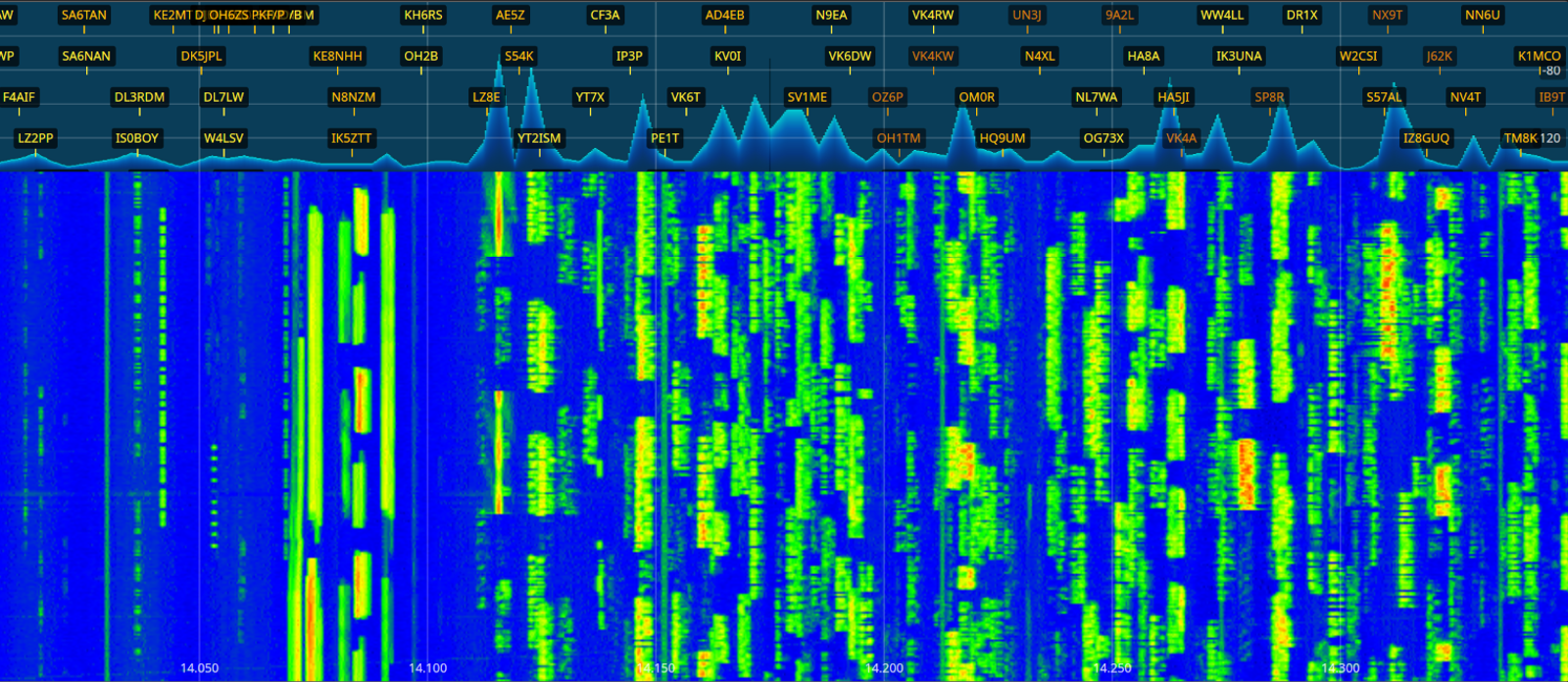
WebSDR serves a different purpose. It is best understood as online receiver access. You open a browser, tune around, and listen to signals from a remote receiving site. That is extremely useful for shortwave listeners, propagation checking, and educational use. It is also a great low-friction way for newcomers to explore the bands.
But WebSDR is usually not what people mean when they search for remote ham radio. In most cases, WebSDR is about reception only. You are not operating a complete station. You are not managing transmit privileges. You are not controlling the full station environment in the way you would with a true remote amateur radio platform.
For someone who only wants to hear activity on 20 meters, compare band conditions between regions, or sample shortwave broadcasts online, WebSDR can be ideal. For someone who wants to make QSOs, run a pileup, or use a remote station as a practical operating solution, it is not enough by itself.
Remote Ham Radio Comparison by Use Case
The easiest way to compare these three approaches is by use case rather than by brand loyalty.
If you want to transmit and make contacts
A true remote ham radio platform is the correct category to evaluate first. You want structured access, reliable control, and a workflow designed for actual operating.
If you want to listen only
WebSDR is hard to beat for instant access. It usually requires no account, no equipment, and no configuration. It is an excellent entry point.
If you enjoy community-hosted stations and do not mind variation
RemoteHams may still be worth exploring, especially if you appreciate a long-running ecosystem and a more grassroots style of access.
If you want a cleaner commercial experience
A modern remote ham radio service will often feel simpler, especially if it includes clear pricing, registration, and a more direct path from signup to operation.
User Experience Differences
User experience is where the biggest practical differences appear.
With WebSDR, the barrier to entry is extremely low. Open the site, tune, and listen. That makes it perfect for casual shortwave listeners and complete beginners.
With RemoteHams, the barrier may be higher because you are entering a station-sharing environment where capabilities vary. One station may be excellent. Another may be limited. One owner may support a polished setup. Another may provide only a basic one. You often need flexibility.
With a service-focused remote ham radio platform, the goal is generally consistency. A user should understand what the service is, what it costs, how to create an account, and how to begin using it without deciphering a maze of community conventions.
That consistency matters. The easier it is for a first-time user to get value, the more likely they are to stay active.
Station Owner Perspective
If you are a station owner, the comparison also changes.
RemoteHams can be attractive if you like the community aspect and do not mind working within an established ecosystem.
WebSDR is useful if your goal is simply to expose a receiver to the public.
A modern remote ham radio platform may be more attractive if you want a stronger service layer around access, onboarding, and monetization. If you want your station to be part of a more structured cloud-style environment rather than a loosely connected collection of individually managed hosts, the platform model is worth serious attention.
Which Option Is Best for Beginners?
For pure listening, WebSDR is the easiest starting point.
For learning how real station operation works remotely, a modern remote ham radio platform is usually more helpful than an older patchwork environment because expectations are clearer. New users benefit from obvious sign-up paths, better explanations, and a less fragmented experience.
RemoteHams can still be valuable, but it often rewards users who are already somewhat comfortable troubleshooting station-specific quirks.
Why This Comparison Matters
The phrase remote ham radio gets searched because people want clarity. They are trying to answer a practical question: “What should I use?”
The answer depends on whether they want to listen, operate, experiment, or host. Once you separate those goals, the decision becomes much easier.
Choose WebSDR if listening is enough.
Choose RemoteHams if you enjoy community-hosted variety and do not mind inconsistency.
Choose a modern remote ham radio platform if you want structured, accessible, real station operation.
Where HamCloudX Fits
HamCloudX is positioned as a remote ham radio and SWL station access platform, which places it in the category that sits between “just listen” and “assemble everything yourself.” That makes it especially relevant for users who want a more direct path into remote station access without the friction of a purely DIY route.
If you are comparing options right now, the practical next step is to check the available plans on Pricing and create an account through Register. That gives you a straightforward way to evaluate whether a modern remote ham radio platform fits your operating style better than an older station-sharing model or a listen-only WebSDR experience.